SELF-HELP. NEW EDITION PLANETA, 2018. 208 PAGES.
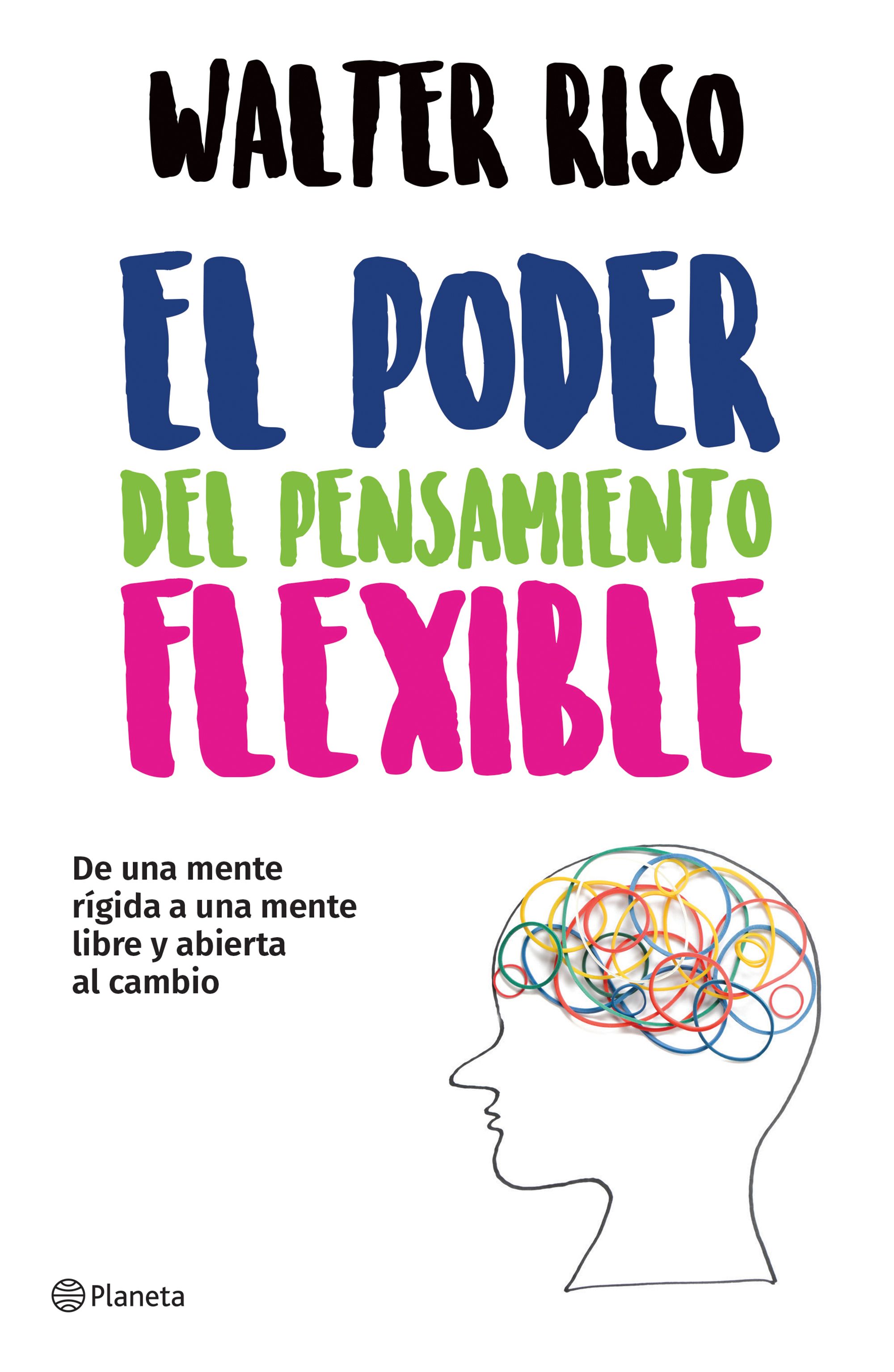
Is mental rigidity or stubbornness a disease? It would seem so. Modern research clearly shows that people whose information processing is closed and resistant to change not only generate a host of personal psychological disorders but also significantly affect the society in which they live. The power of flexible thinking lies in two key points: it improves quality of life and increases adaptive strength. It is impossible to achieve a satisfying and meaningful life if I blindly cling to the past and tradition. The first step in producing a “personal psychological revolution” is to make the mind flexible so that it can make realistic and constructive contact with oneself, others, and the world. How can we keep alive existential wonder and vital exploration of existence if there are rigid, untouchable, and predetermined patterns?
This book describes the components of a rigid mind (dogmatic, simple, solemn, authoritarian, prejudiced, and normative) and the traits that oppose it and define a flexible mind (critical, complex, playful, pluralistic, impartial, and nonconformist).
After this comparison (rigid minds vs. flexible minds), each chapter explains how to move from rigid to flexible (e.g., from dogmatism to critical thinking, from normativity to nonconformist thinking, from authoritarianism to pluralistic thinking). Each chapter also places special emphasis on the “bunker” that the mind creates to irrationally defend inflexibility. The strategies of these bunkers are cognitive distortions, mental operations designed to self-deceive and believe that one is the owner of the truth and can impose it.